
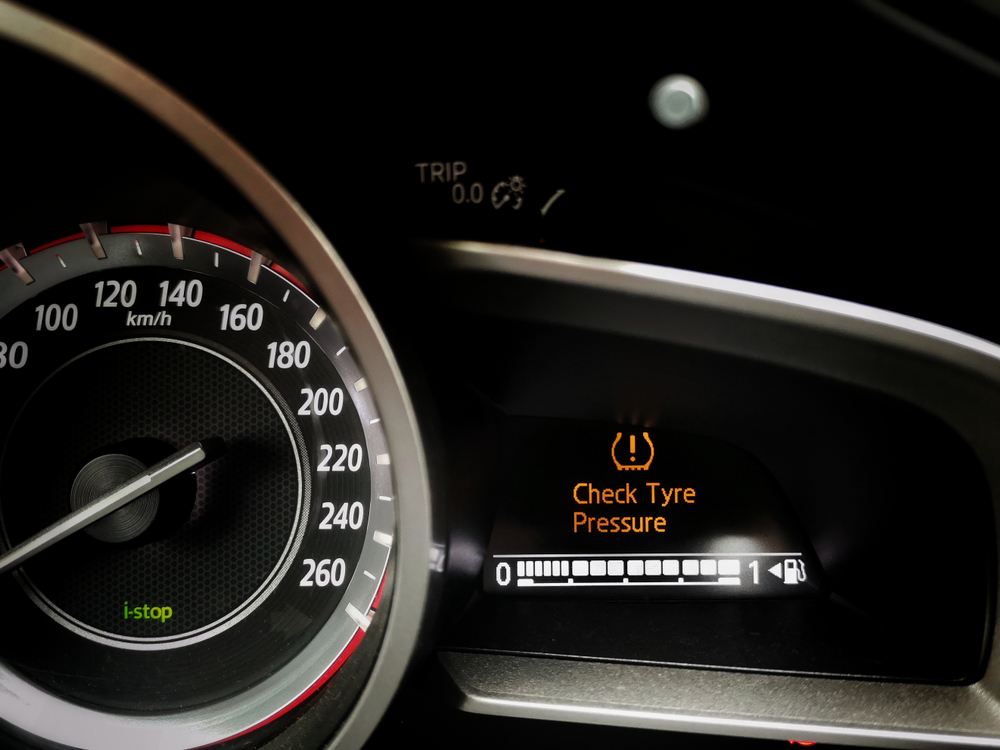
When the brake wear sensor warning lights up on the dash, German Automotive Airdrie advises owners to treat it as a planned reminder, not a panic signal. The message means the car has detected that pads are close to their limit, or that the sensor circuit itself needs attention. This article explains how the system works on BMW, Mercedes-Benz, Audi, Volkswagen and Porsche models, what the light really means, and how to respond safely.
How the Brake Wear Sensor Warning Actually Works
Most German vehicles use a small electrical sensor embedded in the brake pad material. As the pad wears down, the sensor wears with it. Once the friction material reaches a minimum thickness, the sensor loop breaks or changes resistance, and the control module sends a message to the instrument cluster.
Some models use a single sensor on one wheel per axle. Others monitor more positions. A few vehicles also estimate pad wear through software, using brake use, temperature and distance travelled. That estimate is helpful, but it is not as precise as a physical inspection.
The key point is simple. The warning is based on a threshold, not on a failure. You normally have some time left, yet that time depends heavily on how you drive.
What Different Warning Messages Mean
Not every brake message points to worn pads. The wording and colour of the alert give clues, and your owner’s manual lists the exact meaning for your model.
| Message or symptom | Likely meaning | Suggested response |
|---|---|---|
| Amber pad symbol or "brake pads" text | Pads reached the wear threshold | Book an inspection soon |
| Red brake warning light | Low fluid, hydraulic fault or parking brake issue | Stop safely and get help |
| Wear message that returns after new pads | Sensor not replaced or wiring fault | Inspect sensor and connector |
| Warning with a spongy pedal | Air or moisture in the fluid, or a leak | Do not delay inspection |
| Warning on only one corner | Uneven wear, sticking caliper or slide pin | Check caliper and hardware |
| ABS and brake lights together | Wheel speed sensor or ABS module fault | Scan for stored codes |
A red light always deserves faster action than an amber one. If you are unsure which you are seeing, check the manual and err on the side of caution.
Why Pads Reach the Limit Sooner Than Expected
Many owners are surprised when the sensor triggers earlier than they predicted. Several factors affect pad life, and German cars tend to magnify them.
- Heavy, powerful vehicles put more load on the pads during each stop.
- Performance pads trade extended life for stronger bite.
- Stop-and-go commuting wears pads faster than steady highway driving.
- Sticking slide pins or calipers cause one pad to drag and wear early.
- Winter road salt and grit can accelerate corrosion and abrasion.
Alberta driving adds its own pattern. Cold starts, gravel and salt in the winter months can leave brake hardware dry and corroded. Hardware that cannot move freely wears pads unevenly, so the sensor may trigger on one axle long before the other.
What to Do When the Brake Wear Sensor Warning Appears
First, stay calm and note how the car feels. If the pedal is firm and the car stops normally, you can usually drive to a shop. Avoid long trips, towing and mountain drives until the brakes are checked.
Next, book an inspection soon. Pads that are allowed to wear past the sensor point eventually expose the metal backing plate. Metal against metal damages rotors and can create a grinding noise. Our article on grinding brakes in BMW and Audi models describes what that stage sounds like.
Finally, resist the urge to reset the message and carry on. Clearing the light does not restore pad material, and it removes your reminder.
Questions to ask yourself
- Has the car taken longer to stop recently?
- Does the pedal feel soft, low or pulsing?
- Do you hear squealing, scraping or grinding?
- Has the car pulled to one side under braking?
If you answer yes to any of these, the situation is more urgent than a simple wear reminder.
What a Proper Brake Inspection Covers
A thorough brake inspection looks well beyond the pads. The technician removes the wheels, measures remaining pad thickness, checks rotor surfaces and thickness, and tests how freely the calipers and slide pins move. Brake lines, hoses and fluid condition are also reviewed.
Fluid matters more than many drivers realise. Brake fluid absorbs moisture over time, and that moisture lowers its boiling point and promotes corrosion inside the system. We cover the reasons in our guide to what happens when brake fluid is not replaced on time.
German Automotive Airdrie also checks the sensor and its wiring. A damaged connector or a sensor that was reused when it should have been replaced can leave a brake wear sensor warning on the dash even after the pads are new. The brake service page outlines the main steps of an inspection.
Pads, sensors and rotors: what gets replaced together
Wear sensors are generally single-use. After the sensor has been worn through, it needs to be replaced along with the pads. Reusing it can leave the warning stuck on or, worse, leave you with no warning at the next wear point.
Rotors are another common question. Many manufacturers specify a minimum rotor thickness, and a rotor below that limit should not be reused. Rotors with deep grooves, heat marks or a lip at the edge may also need replacement, even if the thickness is still acceptable.
The following table gives a rough guide to what is usually inspected and replaced during a pad service. Final decisions depend on measurements, not assumptions.
| Component | What is checked | When it is usually replaced |
|---|---|---|
| Brake pads | Thickness, even wear, glazing | At or before the wear limit |
| Wear sensor | Continuity, damage to wire | With the pads, once triggered |
| Rotors | Thickness, runout, surface condition | When below minimum or damaged |
| Caliper hardware | Corrosion, free movement | When seized, torn or worn |
| Brake fluid | Moisture content, age | On the manufacturer schedule |
Driving habits that stretch pad life
You cannot control winter, but you can influence how quickly pads wear. Smooth, early braking spreads heat and reduces peak load. Looking further ahead lets you lift off the accelerator and coast, so the brakes do less work.
Removing unnecessary cargo helps as well. Extra weight in the trunk or on a roof rack increases stopping effort every time. Keeping tires properly inflated also improves stopping consistency, since the tire is the final link between the brakes and the road.
Industry estimates suggest pad life can vary by a factor of two or more between gentle and aggressive drivers. That is why a mileage target alone rarely predicts when your light will appear.
For independent information on braking safety and crash testing, the Insurance Institute for Highway Safety publishes research that explains why working brakes and stable stopping matter.
Frequently Asked Questions
Can I drive with the brake wear sensor warning on?
In most cases you can drive carefully for a short time, provided the pedal feels normal and the car stops straight. Arrange an inspection soon, because worn pads can damage the rotors quickly.
Why is the warning still on after I replaced the pads?
The wear sensor is usually a single-use part. If it was not replaced, or if its wire or connector is damaged, the module keeps reporting a fault. A technician can test the circuit and clear the message properly.
Does the warning mean both axles need pads?
Not necessarily. The front axle normally wears faster, so the sensor often triggers there first. The rear pads should still be measured at the same visit.
Is a red brake light the same as the wear message?
No. A red light usually points to low fluid, a hydraulic fault or the parking brake. Stop in a safe place and get help rather than driving on.
Contact German Automotive Airdrie
If a brake message has appeared on your dash, call 403-912-0608 to arrange an inspection. The shop is at 79 East Lake Cir NE, Airdrie, AB T4A 2J6, open Monday to Friday, 7:30am to 5:00pm.