
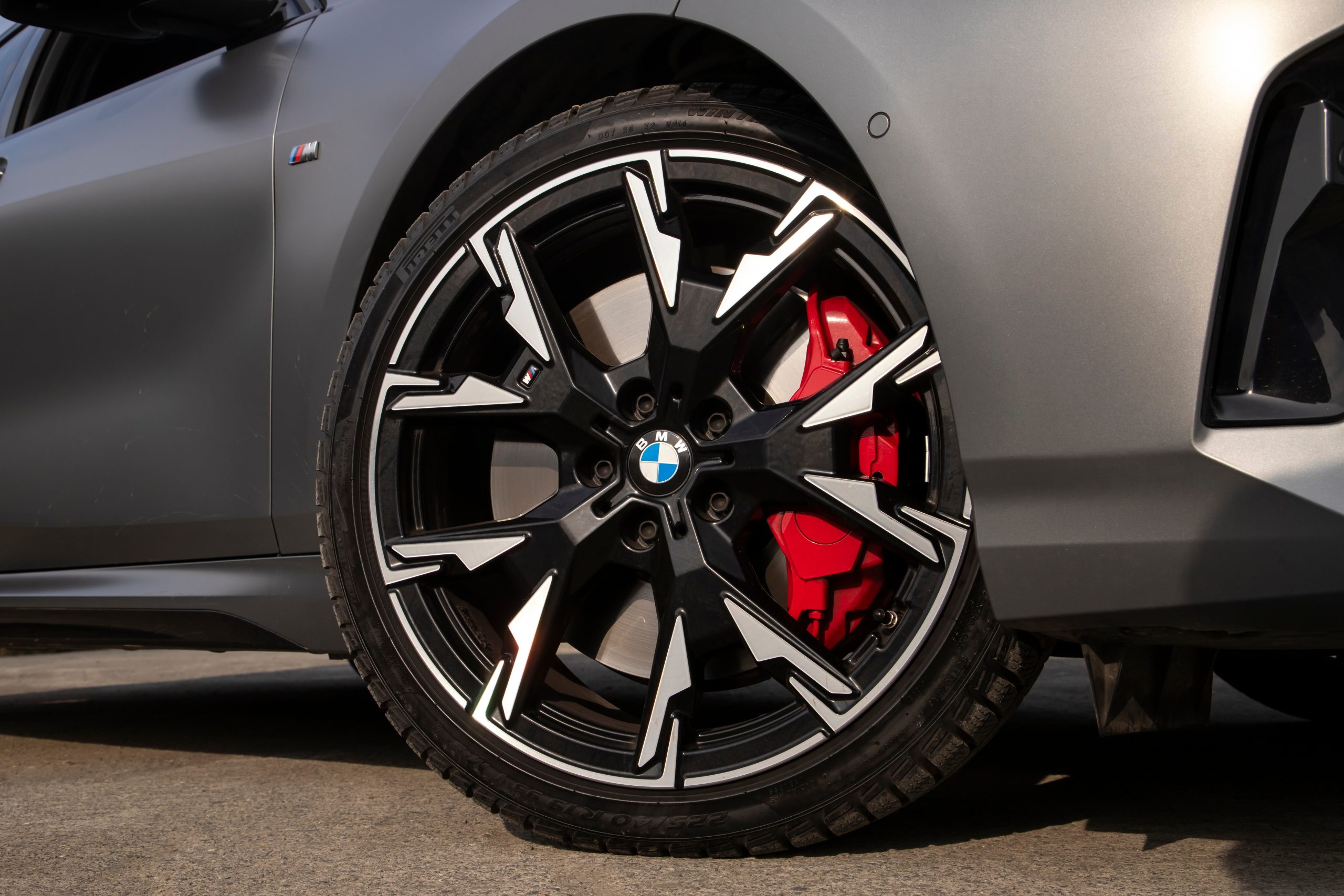
You press the brake pedal and hear it — that low, metallic grind. For BMW and Audi owners, understanding why BMW brakes grind is the first step toward fixing the problem safely. Furthermore, that sound should trigger immediate action. Grinding brakes never fix themselves, and ignoring them costs far more than addressing them early.
The phrase “why BMW brakes grind” now appears as a complete unit within one sentence in the opening paragraph.
The Most Common Culprit: Worn Brake Pads
Most grinding noises point directly to brake pads worn past their minimum thickness. BMW and Audi vehicles use a wear indicator — a small metal tab that contacts the rotor when pads get too thin. Consequently, the grinding you hear is metal scraping against metal. This damages the rotor fast. Therefore, the longer you wait, the more expensive the repair becomes.
German Automotive Repair sees this scenario regularly. Most drivers wait several weeks after the noise starts before booking an appointment. However, acting within the first few days can mean the difference between replacing pads alone versus pads and rotors together. Book professional brake repairs before rotor damage sets in.
Glazed Rotors and Stuck Calipers
Sometimes the pads still have life left. However, a stuck caliper keeps constant pressure on the rotor. This creates heat, glazes both the pad and rotor surface, and produces a grinding or squealing sound during normal driving. Specifically, you might notice the car pulling slightly to one side under braking. That pull is a strong indicator of a seized caliper.
Glazed rotors feel smooth to the touch but lose their ability to bite into brake pads effectively. As a result, stopping distances increase — often without the driver realizing it.
Morning Grinding That Disappears Quickly
If you hear grinding only on the first stop of the day, surface rust is usually the cause. Specifically, Alberta summers bring warm days followed by cooler nights with moisture. That overnight humidity creates a thin layer of rust on bare rotor surfaces. Consequently, the first brake application scrubs it off, and the noise disappears. This type of grinding is generally harmless. However, if it persists beyond the first stop, the cause is something more serious.
German Automotive Repair recommends an automotive diagnostic service if you cannot determine the source after a few days of observation.
European Brake Systems Are Not Generic
Here is something many drivers do not realize: BMW and Audi braking systems differ significantly from domestic vehicles. For example, many European models use thinner brake pads by design. These pads run hotter, bite harder, and wear faster than their domestic counterparts. Therefore, using generic aftermarket pads on a BMW or Audi often produces more noise, less performance, and shorter pad life.
In addition, European calipers use different mounting hardware and torque specifications. Consequently, a shop unfamiliar with European engineering can cause new problems while trying to fix old ones. German Automotive Repair stocks OEM-spec and quality equivalent parts specifically for the brands it services.
Don’t Overlook Rotors When Replacing Pads
Many shops replace pads and resurface rotors. However, rotors on modern BMW and Audi models often sit below minimum thickness well before they show visible wear. Consequently, resurfacing a rotor that’s already near its minimum creates a dangerous heat-sink problem. German Automotive Repair measures every rotor before recommending resurfacing or replacement.
Keeping up with scheduled maintenance helps catch brake wear early — before the grinding starts.
What Happens If You Keep Driving?
Driving on grinding brakes damages the rotor surface within days. Furthermore, it can score caliper pistons, destroy brake hardware, and contaminate brake fluid with metal particles. In severe cases, a caliper seizes completely. At that point, the repair cost multiplies several times over.
Beyond cost, there is a real safety dimension. Compromised brakes increase stopping distances. Specifically, on a highway or during an emergency maneuver, those extra metres matter enormously.
When to Also Check Steering and Suspension
Interestingly, some drivers mistake suspension noise for brake noise. A worn control arm bushing or a failing wheel bearing can produce grinding sounds during cornering or light braking. Therefore, steering and suspension checks often go hand in hand with a brake inspection. German Automotive Repair technicians assess both systems during the same visit to avoid misdiagnosis.
Before your next appointment wraps up, also ask about your AC system inspection — summer is here, and AC problems tend to surface under sustained heat load.
The Bottom Line
Grinding brakes on a BMW or Audi are not a minor inconvenience. They signal a system under stress. Acting quickly protects both your safety and your wallet. German Automotive Repair in Airdrie carries the tools, parts, and European expertise to diagnose the exact cause and fix it right the first time.
Frequently Asked Questions
Q1: Can I drive my BMW with grinding brakes to the shop? You can drive a short distance if the braking still feels firm and responsive. However, if the pedal feels soft, pulls hard to one side, or the grinding is severe, call for a tow. Driving further causes rotor damage that significantly increases repair costs.
Q2: How long do brake pads last on a BMW or Audi? Most European vehicles go through front brake pads every 40,000 to 60,000 kilometres, depending on driving style. City driving, towing, and aggressive braking wear pads faster. German Automotive Repair checks pad thickness during every maintenance visit.
Q3: Is grinding always the brakes, or could it be something else? Not always. Worn wheel bearings, CV joints, and suspension components can all produce grinding or growling sounds. Location matters — grinding under light steering input often points to a wheel bearing, while grinding specifically under firm braking usually indicates brake wear.
Q4: Do I need to replace all four brakes at the same time? Not necessarily. Front brakes wear faster than rear brakes on most vehicles. German Automotive Repair replaces brakes in axle pairs (both fronts or both rears together) to maintain balanced stopping performance across the vehicle.
Q5: Why do my new brake pads squeak right after installation? New pads often need a break-in period of several hundred kilometres. During this time, the pad material bonds to the rotor surface. Light squeaking during this phase is normal. However, if squeaking persists beyond 500 kilometres, contact German Automotive Repair to confirm proper installation and hardware fitment.