
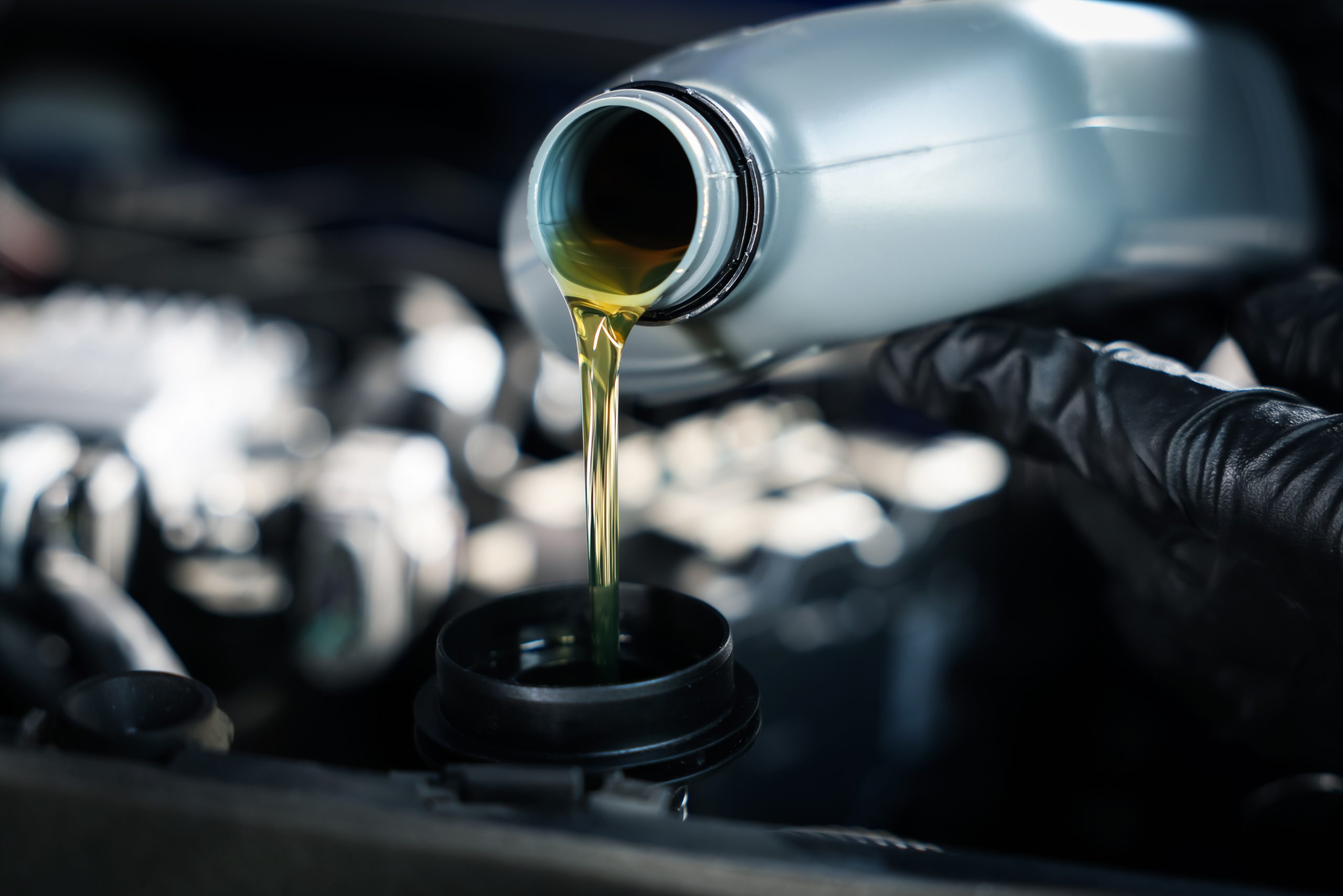
German Automotive Airdrie often meets owners who find the oil level low between services and wonder whether normal engine oil consumption has turned into a real problem. Some oil use is built into modern engine design, especially in turbocharged and high-performance motors. The trick is knowing where normal ends and where a leak or wear problem begins. This guide shows how to measure consumption, what influences it, and when to book an inspection.
Why Engines Use Some Oil by Design
Every engine burns a small amount of oil. A thin film of lubricant coats the cylinder walls, and the piston rings scrape most of it back down. A little remains and burns off with the fuel during combustion.
Many German manufacturers tune their engines with low-tension piston rings to reduce friction and improve efficiency. Turbochargers add another path, since the turbo shaft is lubricated by engine oil under high temperature and pressure. Direct injection can also change how fuel dilutes and carries oil in the cylinders.
For these reasons, the owner’s manual of many European vehicles openly states that some engine oil consumption between changes is acceptable. The exact limit varies by manufacturer and model, so the manual is always the first reference.
Normal Engine Oil Consumption Versus a Warning Sign
Owners often ask for a single number. The honest answer is that it depends on the engine, the oil, the driving style and the temperature. As an industry estimate, many manufacturers consider consumption of up to about one litre per 1,500 to 2,000 km acceptable on some performance engines, while ordinary engines use far less.
Treat that range as a rough guide, not a rule. Your manual, or the manufacturer’s published service information, gives the figure that applies to your car.
Use the table below to compare common patterns.
| Observation | Usually normal? | What to do |
|---|---|---|
| Level drops slightly between services | Often yes | Keep a log and monitor |
| Sudden drop within a few weeks | Unlikely | Inspect for leaks or burning |
| Blue-grey smoke on startup | Possible, if brief | Check valve seals and rings |
| Oil spots on the driveway | No | Find the leak source |
| Oil pressure or level warning | No | Stop and check at once |
| Smell of burning oil after a drive | No | Look for drips on hot parts |
How to Measure Engine Oil Consumption at Home
A simple log tells you far more than a guess. You need a flat surface, a clean cloth and a notebook or phone note. Check the level with the engine warm and switched off for several minutes, or use the electronic oil level display if your car has one.
Follow these steps for a few weeks:
- Park on level ground and note the odometer reading.
- Top the oil to the full mark and record the amount added.
- Drive normally for 1,000 to 2,000 km.
- Check the level again and note the amount needed to return to full.
- Repeat the process to confirm a steady pattern.
Be careful not to overfill. Too much oil can foam, strain seals and even damage the catalytic converter. If you are unsure, ask a technician to read the level for you.
Why Consumption Can Suddenly Increase
A steady pattern is rarely a worry. A sudden change deserves attention. Several things can push consumption up, and some are simple to fix.
Oil type and service interval
Using oil that does not meet the manufacturer’s approval can raise consumption. Thin or poorly matched oil may burn off more easily, while overextended service intervals allow oil to break down. Our article on how often a German car needs an oil change explains how interval and oil specification interact.
Leaks versus burning
Not every missing litre goes through the exhaust. Valve cover gaskets, oil pan seals and the oil filter housing are common leak points on European engines. A leak leaves traces, while burned oil leaves none on the ground. Read our guide to common oil leaks in German cars to see where drips typically start.
Worn components inside the engine
High mileage, repeated short trips and overheating can wear piston rings and valve stem seals. A clogged crankcase ventilation system can also push oil vapour into the intake. These faults usually appear gradually, and they respond better to early attention.
Driving Conditions That Affect Engine Oil Consumption
Where and how you drive plays a bigger role than most people expect. Cold weather, short hops and heavy loads all influence how oil behaves.
Airdrie’s winters are a good example. Short trips on frigid mornings mean the engine rarely reaches full operating temperature. Fuel and moisture can build up in the oil, and the oil may thin out. At the other extreme, towing or sustained high-speed driving heats the oil and increases the amount that evaporates.
Highway driving at steady speed often reduces consumption compared with aggressive acceleration. Hard acceleration raises engine speed and load, which pushes more oil past the rings.
What a Technician Checks During an Inspection
An inspection starts with the history. The technician asks how often you add oil, what grade you use and what type of driving you do. Then comes a visual inspection of the engine bay, underbody and exhaust.
Next, a scan tool reads stored codes and live data. Factory-level equipment helps identify issues such as ventilation faults, turbo problems or misfires that can drive up oil use. German Automotive Airdrie uses factory diagnostic equipment for this purpose, as described on our diagnostic service page.
Depending on the findings, further steps may include a compression or leak-down test, a crankcase ventilation check and a review of recent service records. The goal is to separate harmless consumption from a fault that will only get worse.
Practical habits that protect your engine
You can reduce risk with a few consistent habits. Check your oil level at regular intervals, not only when a warning appears. Use oil that carries the manufacturer’s approval, and follow the service schedule in your manual.
Avoid long idling and aggressive driving on a cold engine. Give the car a minute to circulate oil before you pull away, then drive gently until the temperature gauge settles. After a long drive or a tow, let the engine idle briefly before shutting it off, so the turbo can cool.
The American Petroleum Institute explains oil classifications and certification marks on its engine oil information page. It is a useful reference when you want to understand the symbols on an oil container.
Frequently Asked Questions
Is it normal to add oil between changes on a German car?
Often yes, within limits. Many manufacturers accept some consumption, especially on turbocharged or high-output engines. Check your owner’s manual and keep a log so you can spot any change.
Can the wrong oil increase consumption?
Yes. Oil that does not meet the manufacturer’s specification may burn off faster or break down sooner. Always match the approval listed in your manual.
How do I tell a leak from burned oil?
A leak leaves drips, wet spots or a burning smell from hot parts. Burned oil often shows as blue-grey exhaust smoke, particularly on startup or under hard acceleration, with no marks on the ground.
When should I stop driving and call for help?
Stop if the oil pressure warning appears, the level falls below the minimum mark, or you smell strong burning oil. Running an engine low on oil can cause serious damage in a short time.
Contact German Automotive Airdrie
If you are adding oil more often than you expected, call 403-912-0608 to arrange an inspection. The shop is at 79 East Lake Cir NE, Airdrie, AB T4A 2J6, open Monday to Friday, 7:30am to 5:00pm.