
Cold months tend to expose weaknesses in even the most advanced vehicles. When it comes to German cars, electrical issues seem more frequent once the temperature drops. We see this pattern every winter at German Automotive Repair Airdrie, and there are real reasons behind it. From sensitive sensors to complex modules, cold weather puts stress on the systems that control everything from headlights to power steering. Let’s look at why this happens and what drivers can do to prepare.
Electrical System Sensitivity in German Cars
Most German vehicles use more electronics than many others. These systems give great performance and comfort but also rely heavily on stable voltage and clean signals. In freezing temperatures, battery performance drops fast. As a result, voltage dips become common, which disrupts communication between modules and sensors.
Some owners notice flickering lights, odd dashboard messages, or delayed start-ups. These symptoms often point to voltage instability, especially in the first few minutes after ignition. We always check these concerns during any service involving automotive diagnostic in Airdrie. Cold-start data and stored codes usually reveal more than the dash lights do.
Cold also stiffens wiring insulation, which can lead to micro-cracks and moisture intrusion. That moisture freezes overnight, expands, and gradually worsens the problem. Many warning lights that flash briefly and then disappear are early signs of this kind of degradation.
How Batteries Struggle in Cold Temperatures
Starting a car in freezing weather demands more power from the battery. Meanwhile, that same battery works at lower efficiency when it’s cold. German cars, especially modern ones, rely on powerful AGM or gel-type batteries with smart charging systems. When these systems fall even slightly out of balance, strange behaviors begin to appear.
What many drivers don’t know is that modern vehicles draw power even when parked. Cold reduces that reserve. Short trips without full recharging make things worse. We often test battery health during routine automotive maintenance in Airdrie to catch signs of voltage drop before a car fails to start.
Worn or aging batteries may still start the engine, but they can’t supply clean power to sensitive systems. This leads to odd issues with power seats, backup cameras, or infotainment systems. Swapping in a new battery helps, but only if the alternator and wiring support it properly.
Module Communication Failures Are More Common
Modern German vehicles rely on CAN bus networks to allow modules to talk to each other. These modules share information constantly. Cold weather introduces resistance in wires, adds condensation in connectors, and can freeze some moisture within components. This delays communication or breaks it entirely.
In real-world terms, this means your transmission module might not receive proper signals from the throttle or stability systems. Or your headlights may flicker because the body control module resets during voltage drops. These are not random malfunctions. We isolate the fault using our tools for automotive electrical repairs in Airdrie and often find the root is poor grounding or connector corrosion made worse by cold.
Temperature swings also matter. A car parked in a warm garage and driven into freezing streets might fog up its own wiring. That moisture doesn’t always dry out fast, and over time it leads to a buildup of salts or rust on critical terminals. That is why we clean connectors during electrical diagnostics, not just replace parts.
Ground Points and Corrosion Problems
Metal contracts in cold weather. This affects grounding points under the hood and under the vehicle. German vehicles often ground several modules to a single bolt or strap. When the connection becomes loose from vibration or corrosion, you’ll see erratic electrical issues.
Cold does not cause corrosion directly, but it slows the drying of water in exposed areas. Salt from the roads mixes with melted snow and sticks under the car, especially around the wheel wells and lower engine bay. This layer of salt keeps moisture in contact with metal surfaces, increasing the chance of corrosion. We always inspect these areas during service at German Automotive Repair Airdrie.
Simple issues like a weak ground strap between the engine and frame can cause check-engine lights or poor shifting. Cleaning and re-bonding the connection often solves issues that would otherwise mislead someone into replacing expensive modules.
Cabin Electronics Act Up in the Cold
Inside the vehicle, cold air affects electronics differently. LCD screens respond slower, HVAC systems misbehave, and heated seats take longer to activate. All of these rely on sensors that give real-time input. If even one sensor fails, the whole system may default or shut down.
Condensation inside the cabin can also affect wiring under the seats or behind dashboards. For example, we’ve seen window regulators stop working only in the morning, then return to normal later. This usually means there’s a loose connection that tightens when warm.
One often overlooked detail is the role of aging cabin filters. They allow humidity to build up, which leads to fogging not just on windows, but also inside control panels. Replacing filters and drying out footwell areas can prevent long-term electronic failures, especially during weeks of deep cold.
Diagnostic Tools Work Differently in Winter
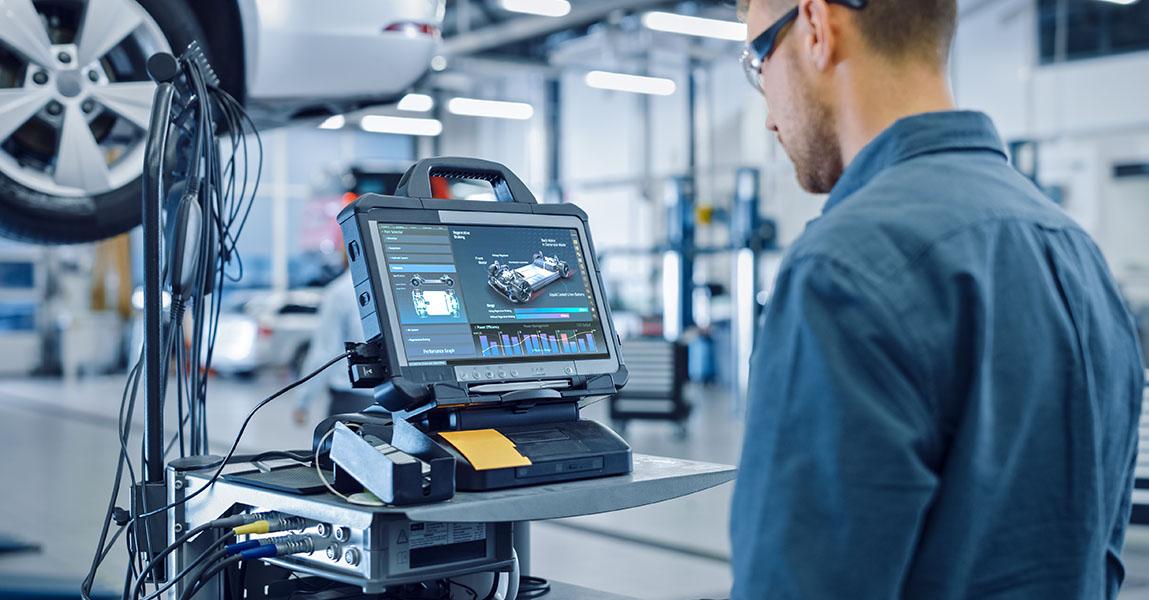
Winter conditions change how we approach diagnosis. A scan tool that reads no fault codes in a warm shop may miss issues that only happen during cold starts. We test vehicles at operating temperature, but we also read freeze frame data from the first minute of the drive.
That’s why using proper German automotive repair in Airdrie services matters when chasing these issues. It’s not enough to clear codes and hope they stay away. We look for patterns in battery voltage, module resets, and momentary sensor losses. These problems are often missed by generic scan tools.
Many codes triggered by winter conditions are soft faults. They don’t turn on the check-engine light right away. They store quietly in the background until enough instances happen to cause action. Knowing how to find and read those hidden signs is key to long-term reliability in winter.
Simple Habits That Prevent Electrical Trouble
Some winter issues can be avoided with a few consistent habits. Parking indoors, when possible, slows the effects of frost and keeps the engine bay warmer. That prevents sharp temperature drops that create condensation.
Letting the engine run for a full minute before turning on heat or lights gives the alternator time to stabilize the voltage. Short trips with full electrical load stress the battery and charging system more than long drives. That’s why even a weekend highway run helps recharge everything.
Checking under the hood for corrosion around terminals or signs of wetness in fuse boxes helps catch problems early. When drivers notice flickering lights or weak starts, they should schedule a checkup instead of waiting. We always recommend that you contact us for electrical concerns before winter causes further damage.
FAQs
Why does my German car hesitate in cold weather?
Cold air thickens fluids and reduces battery output. If sensors can’t communicate properly due to low voltage, hesitation or rough idle can follow.
What electrical part fails first in winter?
The battery usually weakens first. However, loose ground straps or corroded connectors often cause problems before parts fully fail.
Why do warning lights disappear after warming up?
Cold-related voltage dips cause temporary faults. As the engine warms up, voltages stabilize, and some modules reset without leaving a trace.
Should I warm up my car every day in winter?
A short warm-up helps. It allows systems to stabilize before using seat heaters, defrosters, or other power-hungry features.
How do I know if moisture is causing electrical issues?
Look for flickering lights, random sensor errors, or systems that fail only in the morning. These usually point to damp connectors or modules.