
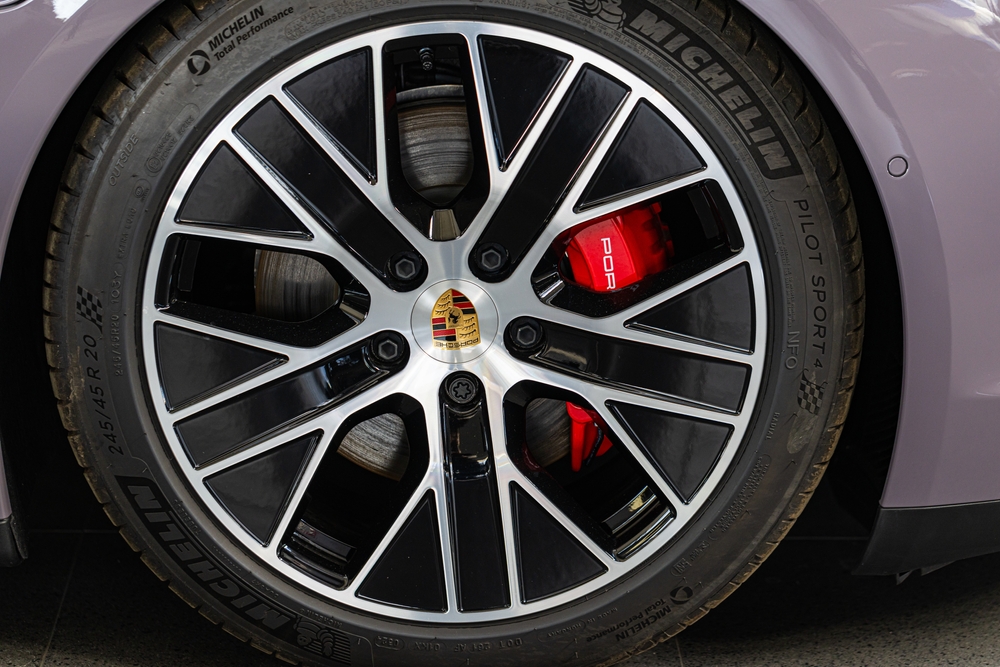
German Automotive Repair Airdrie works with Porsche owners who expect their brakes to feel as sharp as the rest of the car. That expectation is exactly why Porsche brake service deserves closer attention than a routine pad swap. Porsche models are built for spirited driving. That performance orientation means the brake system runs hotter and works harder than an average commuter vehicle. Rotors and pads wear in specific patterns, and those patterns tell an experienced technician a lot about how the car is driven and what it needs next.
Porsche brake components are engineered for high-performance stopping power. They respond differently to heat cycling, moisture, and everyday city driving than economy vehicle brakes do. Recognizing the early signs of uneven wear helps keep braking performance consistent. It also protects other parts of the system, including calipers and suspension components, from unnecessary stress.
Why Porsche Brakes Wear Differently
Porsche vehicles typically use larger rotors and higher-friction pad compounds built for sustained heat. Those same pads can wear a little faster during everyday stop-and-go traffic. The compound is optimized for performance rather than long service intervals at lower temperatures.
Repeated heat cycling, going from cold to very hot and back again, can cause rotors to develop hot spots or slight warping. Airdrie’s mix of highway commuting and in-town stop-and-go driving creates exactly this kind of heat cycling. Without regular inspection, the pattern accelerates.
Recognizable Wear Patterns and What They Mean
A pulsing brake pedal under moderate braking usually points to rotor thickness variation or warping rather than a pad problem. A grinding or metallic noise almost always means the pads have worn down to their wear indicators. Left unaddressed, that contact can damage the rotor surface.
- Pedal pulsation under braking suggests uneven rotor thickness
- A squeal that stops when braking harder often indicates a wear indicator tab making contact
- Vibration felt through the steering wheel can point to a warped front rotor
- The car pulling to one side while braking may indicate a sticking caliper
- Visible scoring or grooves on the rotor surface signal it is time for inspection
What Thorough Porsche Brake Service Includes
Our process starts with measuring rotor thickness against factory minimum specifications. A rotor that has been resurfaced too many times may no longer meet safety tolerances. Pad thickness is measured on both the inner and outer pads of each caliper. Uneven wear between the two often signals a caliper that is not releasing fully, which is a key part of every Porsche brake service we perform.
We also check caliper slide pins and hardware. Sticking hardware is one of the more common causes of uneven pad wear on performance vehicles. A full inspection gives us a clear picture of whether the fix is a simple pad replacement or something more involved with the caliper itself.
Rotor and Pad Wear Reference Table
| Component | Typical Service Interval | Warning Signs |
|---|---|---|
| Front brake pads | Inspect regularly, replace based on wear | Squealing, reduced pedal firmness |
| Rear brake pads | Inspect regularly, replace based on wear | Grinding, uneven rear wear |
| Rotors | Inspect at every pad service | Pulsation, visible grooves or hot spots |
| Brake fluid | Follow manufacturer-recommended intervals | Spongy pedal, discoloured fluid |
| Caliper hardware | Inspect at every brake service | Pulling to one side, uneven pad wear |
Why Regular Inspection Matters for Performance Vehicles
Delaying brake service on a performance-oriented vehicle can allow small issues to compound. A sticking caliper that goes unnoticed will wear one pad faster than the other. Industry estimates suggest uneven pad wear left unaddressed can shorten rotor life considerably compared to a system serviced on a regular schedule.
We reference guidance from Porsche’s official technical resources when evaluating brake system tolerances. That guidance is combined with hands-on experience across the full Porsche lineup. You can see more about how we approach Porsche service on our Porsche service page.
Scheduling Regular Porsche Brake Service
Consistent inspection is the most reliable way to catch wear patterns before they turn into bigger repairs. We recommend having brakes checked whenever tires are rotated or serviced. You can read more on our brake repair services page. Catching a developing issue early keeps the fix straightforward.
Pay attention to how your Porsche feels under braking, whether that’s pulsation, noise, or a change in pedal firmness. This gives you an early opportunity to bring it in before a minor issue becomes a safety concern. Our team completes a full inspection first and explains exactly what the vehicle needs before any work begins.
Track Days and Spirited Driving Deserve Extra Attention
Owners who take their Porsche to track events or enjoy spirited weekend drives put brake components through far more heat cycling than everyday commuting. That extra stress makes post-event inspection especially valuable. Pads and rotors that looked fine a few weeks earlier can show measurable wear after a handful of aggressive sessions.
We recommend a brake system check shortly after any track day or extended mountain drive. These conditions are the most likely to reveal a developing issue with calipers, pad material, or rotor surface condition. Catching a problem at this stage is far simpler than waiting until it shows up during normal city driving.
Brake Fluid Condition Matters As Much As Pads and Rotors
Brake fluid is often overlooked, yet it plays a direct role in pedal feel and stopping consistency. Fluid absorbs moisture over time, which lowers its boiling point. That change can lead to a spongy pedal under hard or repeated braking, particularly during performance driving when temperatures climb quickly.
Discoloured or cloudy fluid is a visual cue that a fluid exchange is due. Porsche brake systems generate significant heat under spirited driving. Keeping fluid in good condition preserves consistent pedal feel and protects the internal components of the calipers and master cylinder.
When your Porsche’s brakes feel different under braking—whether that’s pulsation, noise, or a softer pedal—thorough brake inspection reveals whether a sticking caliper is causing uneven pad wear or if rotor warping needs attention, which is why catching these wear patterns early keeps your performance brake system running sharp. Regular maintenance checks especially matter after track days or spirited driving that puts extra heat cycling on rotors and pads, and pairing brake assessment with suspension inspection catches how brake system stress affects your Porsche’s overall handling consistency.
Frequently Asked Questions
Why do Porsche brake pads sometimes wear faster than expected?
Performance-oriented pad compounds are optimized for high-heat braking rather than maximum longevity at low temperatures, so daily stop-and-go driving can wear them a bit faster than a touring-focused vehicle. Regular inspection keeps this from becoming a surprise.
Is a pulsing brake pedal always a rotor problem?
Pulsation is most often linked to rotor thickness variation, but a full inspection is the only way to rule out other causes like a sticking caliper. We check both during every brake service.
How often should Porsche brakes be inspected?
We recommend a visual inspection at every tire service or oil change interval, since catching uneven wear early keeps the whole system performing consistently.
Can worn brakes affect other parts of the car?
Yes. A sticking caliper or worn rotor can put uneven stress on suspension components and reduce overall handling precision, which is why we look at the whole system rather than just the pads.
Contact German Automotive Repair Airdrie
If your Porsche’s brakes feel different than they should, call our team at 403-912-0608. We are located at 79 East Lake Cir NE, Airdrie, AB T4A 2J6, open Monday through Friday from 7:30 AM to 5:00 PM.