
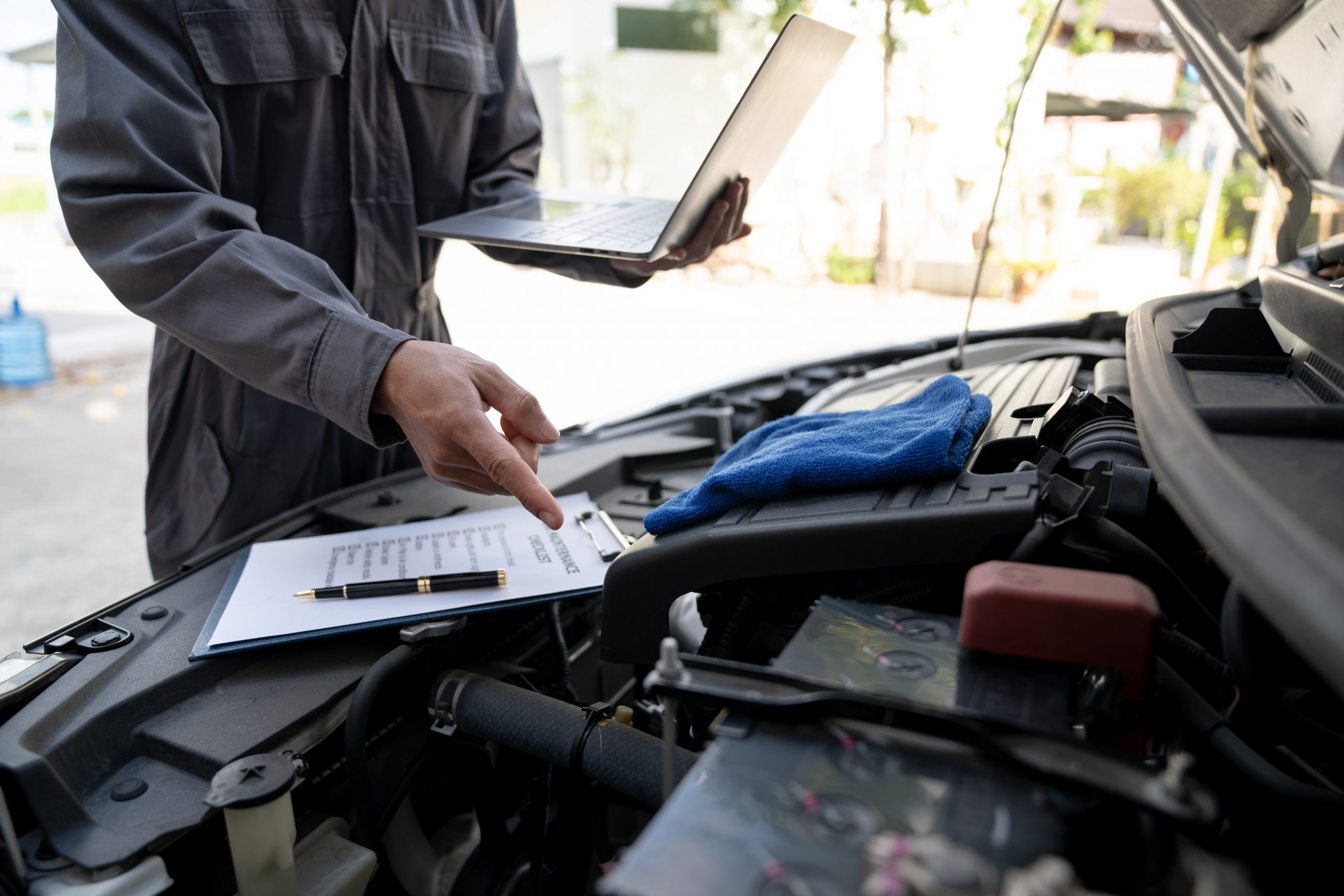
When your vehicle feels strong at idle but struggles when accelerating or climbing hills, it often points to a deeper issue. Engine power drops under load conditions can affect safety, fuel efficiency, and overall driving experience. Therefore, understanding what happens under load helps you react early and avoid bigger repairs.
At German Automotive Repair, this type of issue is common in both older and modern vehicles. In other words, the problem usually builds over time and becomes noticeable only when the engine is pushed harder.
What Does “Under Load” Really Mean
Under load refers to situations where the engine must work harder than usual. For example, this includes accelerating onto highways, driving uphill, or carrying heavy weight. During these moments, the engine needs more fuel, air, and proper ignition timing to maintain performance.
However, when something disrupts this balance, the engine cannot produce enough power. As a result, you may notice hesitation, sluggish acceleration, or even shaking. This is often the first warning sign that something is not working properly.
Common Causes of Power Loss Under Load
Fuel Delivery Problems
The engine depends on consistent fuel flow. If the fuel pump, injectors, or filter are restricted, performance drops quickly. For instance, clogged injectors may still allow idle operation but fail during acceleration.
In addition, poor fuel pressure leads to incomplete combustion. Consequently, the engine feels weak and unresponsive when you press the gas pedal.
Air Intake Restrictions
Engines require clean and steady airflow. A blocked air filter or faulty mass airflow sensor can limit how much air enters the engine. Therefore, the air-fuel mixture becomes incorrect.
As a result, the engine struggles to produce power. In the same vein, you might notice rough acceleration or delayed throttle response.
Ignition System Issues
Spark plugs and ignition coils play a major role in power delivery. If they wear out, they cannot ignite fuel properly under pressure. For example, misfires often appear only during acceleration.
Most importantly, this can cause jerking or hesitation. Over time, it may even damage other engine components if ignored.
Electrical System Faults
Modern vehicles rely heavily on sensors and control modules. A weak battery, faulty wiring, or sensor failure can confuse the engine control unit. Consequently, the system may limit performance to protect the engine.
If needed, a proper inspection through automotive electrical repairs helps identify these hidden issues quickly.
Why Diagnostics Matter for This Problem
Many drivers try to guess the cause, but engine power loss often involves multiple systems. That is to say, replacing one part without proper testing may not fix the issue.
A full check using automotive diagnostic tools allows technicians to read fault codes, monitor live data, and detect performance irregularities. As a result, the exact cause becomes clear instead of relying on trial and error.
This approach saves both time and money while preventing unnecessary repairs.
How Maintenance Prevents Power Loss
Regular servicing plays a key role in preventing engine performance issues. For instance, replacing filters, checking fluids, and inspecting ignition components keeps the system balanced.
With proper automotive maintenance, small issues are detected before they turn into major problems. Moreover, a well-maintained engine responds better under load and uses fuel more efficiently.
Above all, consistent maintenance improves reliability in all driving conditions.
The Role of Temperature and Cooling Systems
Engines operating under load generate more heat. If the cooling system is not working correctly, performance drops quickly. For example, overheating can force the engine to reduce power to avoid damage.
In addition, components like the air conditioning system can add extra strain. When the AC is running, the engine works harder. Therefore, faults in automotive AC repairs can indirectly affect engine performance.
Keeping these systems in good condition ensures smooth operation even during demanding driving.
Signs You Should Not Ignore
Power loss under load rarely happens suddenly. Instead, it develops gradually with warning signs. For instance, you may notice slower acceleration, unusual vibrations, or reduced fuel efficiency.
However, ignoring these signs can lead to more serious issues. In some cases, the vehicle may enter limp mode, limiting speed to protect the engine. Consequently, driving becomes unsafe and inconvenient.
Early inspection helps prevent breakdowns and costly repairs.
When to Get Professional Help
If your vehicle struggles under load, it is important to address it quickly. Waiting too long can damage internal components and increase repair costs.
At German Automotive Repair, experienced technicians identify the exact cause and restore performance efficiently. In addition, proper testing ensures that the problem is fixed completely, not temporarily.
Timely action keeps your vehicle reliable and safe for daily use.
FAQs
What causes engine power loss when accelerating?
This usually happens due to fuel delivery issues, air intake restrictions, or ignition problems. Therefore, the engine cannot produce enough power under higher demand.
Can a dirty air filter reduce engine power?
Yes, a clogged air filter limits airflow. As a result, the engine struggles to maintain the correct air-fuel mixture during acceleration.
Is power loss under load dangerous?
It can be. For example, reduced acceleration may affect merging or overtaking. Consequently, it increases the risk of unsafe driving situations.
How do diagnostics help fix this issue?
Diagnostics identify exact faults in sensors, fuel systems, or ignition. In other words, it removes guesswork and ensures accurate repairs.
Can regular maintenance prevent this problem?
Yes, routine service helps detect early wear in key components. Most importantly, it keeps the engine performing efficiently under all conditions.