
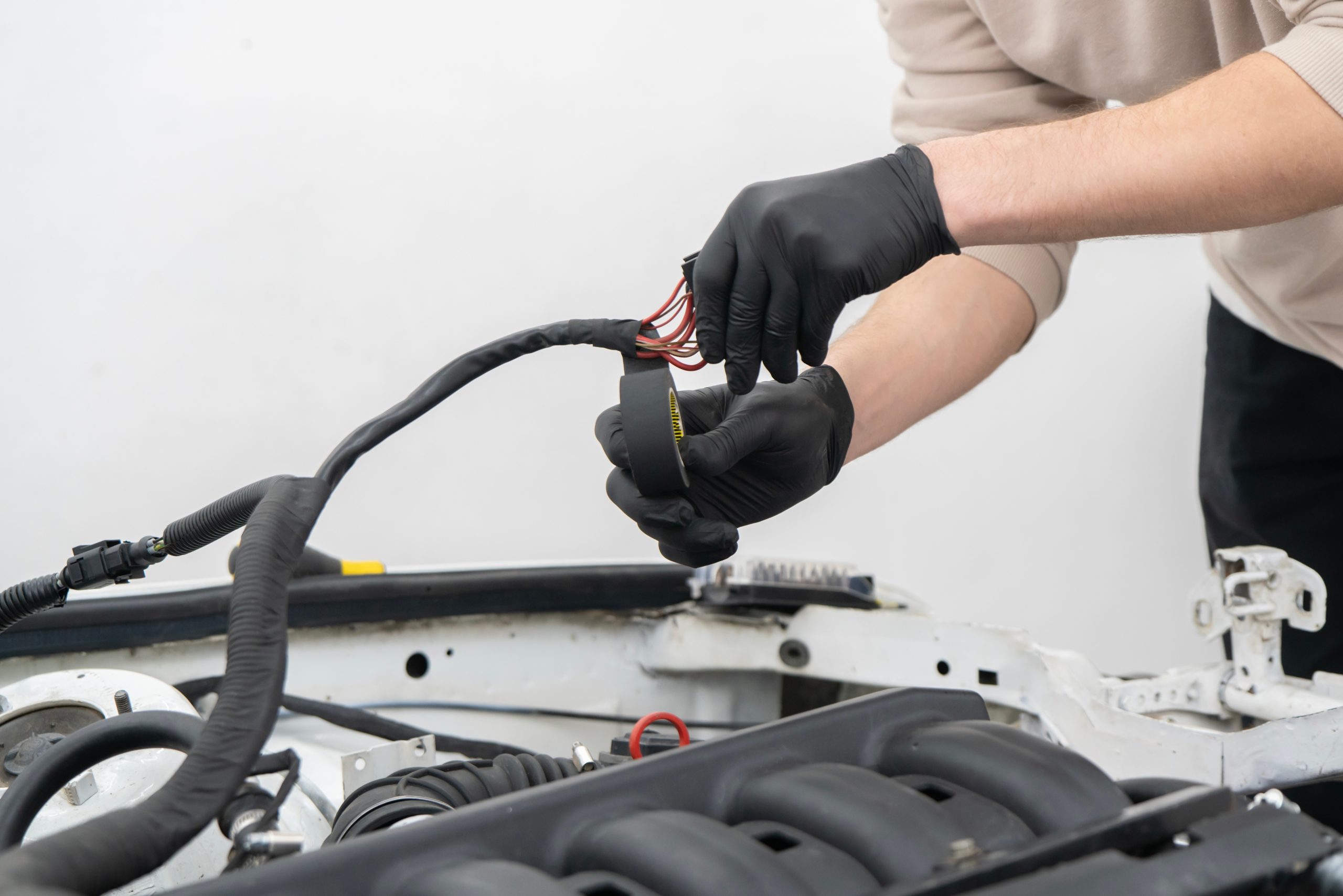
Electrical faults can feel unpredictable, especially when everything seems fine one moment and fails the next. These sudden issues often affect starting, lighting, dashboard signals, or even safety systems. German Automotive Repair works with drivers who experience these problems without clear warning, and in many cases, the cause is hidden deep in the vehicle’s electrical network.
Modern vehicles rely heavily on electronics. Therefore, even a small disruption can lead to noticeable performance changes. Understanding how these faults develop helps drivers react quickly and avoid more serious damage.
Common Signs of Sudden Electrical Problems
Electrical faults rarely start with a major failure. Instead, they often show subtle signs that are easy to ignore at first. For example, you might notice dim headlights, flickering interior lights, or delayed response when turning the key.
However, these symptoms can quickly escalate. In some cases, warning lights appear and disappear randomly. In other situations, the vehicle may stall or struggle to restart. These changes often point to unstable voltage or wiring issues.
To clarify the exact cause, a full system check using automotive diagnostic services is often required. This process identifies hidden faults that are not visible during a basic inspection.
Why Electrical Faults Happen Without Warning
Electrical systems are complex and interconnected. Therefore, a failure in one area can affect multiple components at once. For instance, a weak battery connection may lead to inconsistent power delivery across the vehicle.
In addition, worn wiring insulation can cause short circuits. These issues often develop over time but only show symptoms when the system is under load. Heat, vibration, and moisture also contribute to sudden failures.
Another common cause is sensor malfunction. Sensors communicate constantly with the vehicle’s control modules. However, when a sensor sends incorrect data, the system may react unpredictably. This can result in warning lights, poor performance, or sudden shutdowns.
Regular inspections through automotive maintenance services help detect early signs of wear before they turn into unexpected problems.
The Role of the Battery and Charging System
The battery is the foundation of the entire electrical system. Therefore, even a slight drop in battery performance can trigger multiple issues. A weak battery may still start the car, but it cannot support all systems consistently.
Similarly, the alternator plays a critical role. It keeps the battery charged and supplies power while driving. However, when the alternator begins to fail, voltage levels fluctuate. As a result, electronic components may behave unpredictably.
Loose or corroded terminals also create resistance. This reduces the efficiency of power transfer and can cause intermittent faults. In many cases, drivers only notice the issue when the vehicle refuses to start.
To prevent these situations, it is important to inspect both the battery and charging system regularly, especially during seasonal changes.
Wiring Issues and Hidden Electrical Damage
Wiring problems are among the most difficult electrical faults to detect. In many cases, the damage is not visible. However, small breaks or exposed wires can disrupt the entire system.
For instance, rodents or environmental factors can damage wiring insulation. Consequently, this may lead to short circuits or power loss. In addition, aging wires become brittle and more likely to fail under stress.
Electrical faults caused by wiring often appear randomly. One day the system works fine, and the next day it fails. This inconsistency makes diagnosis challenging without proper tools.
Specialized automotive electrical repairs focus on tracing these hidden issues and restoring stable connections throughout the system.
How Climate and Driving Conditions Affect Electrical Systems
External conditions have a significant impact on electrical performance. Cold weather, for example, reduces battery efficiency. Therefore, vehicles are more likely to experience starting issues during winter.
Heat also affects electrical components. High temperatures can damage sensors and wiring insulation over time. In addition, moisture can enter connectors and cause corrosion.
Frequent short trips create another problem. The battery does not get enough time to recharge fully. As a result, electrical systems operate under constant strain.
Even systems like air conditioning rely on electrical components. If faults develop, performance may drop suddenly. In such cases, checking automotive AC repairs can reveal underlying electrical concerns.
Preventing Unexpected Electrical Failures
Preventive care plays a major role in avoiding sudden faults. Firstly, regular inspections help identify early warning signs. Secondly, keeping connections clean and secure ensures stable power flow.
It is also important to replace worn components before they fail completely. For example, aging batteries and damaged wiring should not be ignored. In addition, software updates in modern vehicles can improve system reliability.
Drivers should pay attention to small changes. If lights flicker or systems respond slowly, it is best to act early. In many cases, early detection prevents costly repairs later.
For ongoing care and system checks, visiting automotive service specialists helps maintain overall vehicle reliability.
FAQs
What causes electrical faults to appear suddenly?
Electrical faults often result from hidden issues such as weak battery connections, damaged wiring, or failing sensors. These problems develop over time, however they only become noticeable when the system is under stress.
Can a bad battery cause multiple electrical problems?
Yes, a weak or failing battery can affect many systems at once. Therefore, you may see dim lights, warning signals, or starting issues even if the battery still works partially.
How do I know if wiring is the problem?
Wiring issues usually cause inconsistent behavior, such as random faults or intermittent failures. In other words, the problem may come and go without a clear pattern.
Are electrical faults dangerous to drive with?
In some cases, yes. Electrical faults can affect critical systems like ignition, braking sensors, or lighting. Therefore, it is important to diagnose and repair them as soon as possible.
How often should electrical systems be checked?
It is recommended to inspect electrical systems during regular maintenance visits. In addition, checks should be done before extreme weather seasons to ensure reliable performance.