
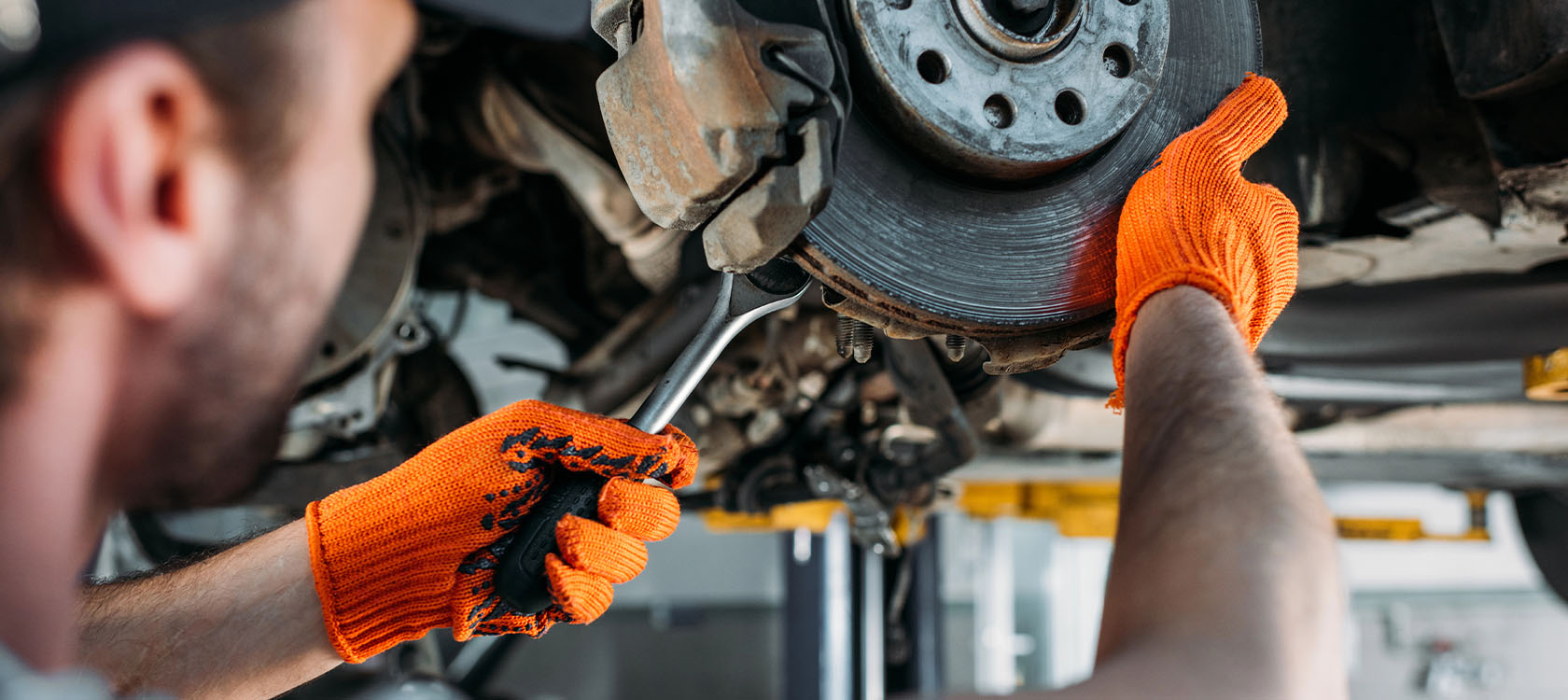
Many drivers do not think about their steering rack until something goes wrong. This part connects the steering wheel to the wheels and turns input into motion. When it wears out, small symptoms show up first, and if ignored, they can turn into serious safety issues. Knowing these signs early helps prevent expensive breakdowns and keeps your car stable and responsive.
Changes in Steering Feel or Precision
Steering response often gives the first clue. If your steering starts to feel loose, vague, or unresponsive, it could mean wear is forming in the rack’s internal components. Over time, seals harden, bushings loosen, or internal gears wear down. These changes reduce steering accuracy and may increase play in the wheel.
In other cases, the wheel might feel tighter than usual. That often happens when internal parts of the rack are binding. If turning requires extra effort or feels jerky, especially during slow maneuvers or parking, the issue could lie in the power assist function or the mechanical links inside the rack. These sensations feel different from tire issues or suspension problems.
Power steering fluid also plays a role in steering feel. Low fluid levels make steering stiffer, but if topping up doesn’t help, the problem might come from a leak inside the rack. We often find early leaks through routine automotive maintenance in Airdrie even before steering trouble begins.
Fluid Leaks Near the Front End
Many steering racks use hydraulic power assist, which relies on pressurized fluid. If you notice red or brown fluid pooling under the car’s front area, it might be leaking from the rack. These leaks usually come from worn seals where the steering shaft or tie rods enter the rack housing.
After that, you might see fluid loss through hoses or fittings near the rack. Most people first notice spots on the driveway or garage floor. In worse cases, the fluid may drip onto suspension parts or the engine crossmember. When these leaks go unchecked, fluid loss becomes rapid, and the steering assist can fail completely.
We always check for residue on the rack and surrounding components. Catching a leak early can avoid full rack replacement. If the leak is small and limited to external seals, it might only require seal replacement. However, once the fluid contaminates bushings or starts internal corrosion, the whole rack often needs replacing.
Odd Sounds During Turns
Unusual noises while turning usually mean something is wrong. A clicking, clunking, or popping sound can point to worn tie rods, but it can also signal movement inside the rack. Internal play in the gear teeth or mounting bushings causes metal-to-metal contact when turning or hitting bumps.
Squealing while turning might relate to the power steering pump, but groaning or whining under the dash often comes from the rack’s hydraulic section. This happens when air enters the system due to a leak or low fluid. After that, the pump starts working harder, and steering gets noisy.
We inspect all suspension and steering connections carefully before assuming the rack is the issue. When noises persist after replacing tie rods or control arms, it’s a strong sign that the rack itself is worn. If needed, we follow up with automotive diagnostic in Airdrie to track down deeper internal faults.
Uneven Tire Wear or Alignment Drift
Worn steering racks often affect alignment. If the internal bushings or the gear inside the rack wear out, they allow extra play that throws off toe angles. When this happens, the vehicle may drift to one side even after a recent alignment. Tire wear becomes uneven, especially on the inner or outer edges.
Some drivers feel this as wandering or inconsistent tracking on straight roads. Steering correction becomes frequent, especially during highway driving. That is to say, the vehicle feels like it does not want to stay centered. This can increase fatigue on long trips.
We always measure toe and caster during inspections. If alignment repeatedly goes out of spec without changes to suspension, the steering rack often ends up as the root cause. In some cases, misalignment from the rack may also put extra stress on automotive electrical repairs in Airdrie when it affects angle sensors or steering modules.
Vibration or Feedback Through the Wheel
While vibration can come from tires or brakes, feedback that pulses through the steering wheel under load may point to the rack. This usually feels different from simple wheel balance issues. If the car shakes while turning or the wheel kicks back on bumps, the rack mounts or internals might be loose.
Vibration is more noticeable when turning sharply at low speed. That happens when uneven gear wear inside the rack creates backlash. In advanced cases, the input shaft or steering column may even knock as you drive over potholes or uneven pavement.
We test this by turning the wheel slowly with the car on a lift. Any delay in response or visible movement in the rack confirms the issue. We also check the bushings that anchor the rack to the subframe. If they tear or collapse, the rack shifts during use, which leads to that odd vibration through the wheel.
Warning Lights or Sensor Errors
Many modern vehicles use steering angle sensors and torque feedback systems as part of their electronic steering controls. When the rack starts to wear, it sometimes affects these sensors, especially if the input shaft wobbles or the rack position varies. That triggers faults or warning lights.
On German cars, these systems often work together with electronic stability control. If the rack slips or starts giving bad readings, you may see multiple errors on the dash. Steering angle mismatch, EPS warnings, or even traction control lights can appear.
We handle these issues with full scan tools and automotive diagnostic in Airdrie. In many cases, people assume it’s just a sensor or battery issue. However, if those components check out, and the readings are inconsistent, the physical steering rack is often the missing piece.
When to Call for Help
Once you see more than one of these signs, waiting usually makes the repair more expensive. A small leak turns into full fluid loss. A loose rack starts damaging other suspension parts. We understand that steering work feels intimidating, but it connects directly to safety.
You can always reach out for help through our contact us page. Whether it’s fluid on the driveway or strange noise on turns, it’s best to get it checked before it grows into a complete failure.
FAQ
What causes a steering rack to go bad?
Wear builds up from heat, vibration, and contaminated fluid. Seals dry out, and internal parts loosen over time.
Is it safe to drive with a bad steering rack?
Not for long. If the rack fails fully, you may lose steering assist or control entirely, especially at low speeds.
How long does a steering rack usually last?
It often lasts over 100,000 kilometers, but harsh roads, leaks, or fluid neglect can shorten its lifespan.
Can a power steering flush help steering rack problems?
Only if the issue is minor. Once seals fail or gears wear, fresh fluid won’t reverse the damage.
Do all steering racks use hydraulic power?
No. Some use electric assist, especially newer German models. However, both types can fail in similar ways.